
Slivers of Awe
The insistence of grace to give us what we never had before

Last weekend I went to a play that asked, and answered, the question, “What if Anne Frank had lived?” Two-thirds of the show engaged this revisionist history, as the stage was split three ways between a New York publishing office, Bergen-Belsen concentration camp, and the Franks’ Amsterdam apartment. At one point, Anne was journaling on her bed at Bergen-Belsen, writing within a sliver of moonlight, and I cannot escape this image: what we do with the light allotted to us.
This is also the week I finished The Anxious Generation, and my favourite chapter was the one where Haidt, an atheist, gets spiritual, talking about the awe that screens are robbing us of, moment by moment. I think this diminishment of awe is a poverty defining the world right now, an inability to recognise slivers of light.
Haidt writes:
…awe is triggered by two simultaneous perceptions: first, that what you are looking at is vast in some way, and, second, that you can’t fit it into your existing mental structures. That combination seems to trigger a feeling in people of being small in a profoundly pleasurable—although sometimes also fearful—way. Awe opens us to changing our beliefs, allegiances, and behaviors.
Blake wrote about learning “to bear the beams of love,” and so much of my own learning occurred when what I interpreted to be rock-bottom was actually the crack where light—awe—was finally entering: New York, Australia, autism. Moments that divided life into Before and After, that exposed all I didn’t know and hadn’t experienced not as something to run from, but to embrace—no, be embraced by. The light by which to write, and live.
This light is also what exposed my own deep longing and put me in touch with it, because we don’t know what’s missing until it’s illuminated. An unwillingness to reckon with what awe shows us leads to shame, and a world small enough to control that never offers anything beyond what we already believe to be true. I know this because I lived it; my primary residence for so many years was shame, and it created a self-hatred that made me small and angry but always certain. This shame, Heather Havrilesky writes, is both where most people live and what has created so much of the world we find ourselves in today:
This is where self-hatred is born…withdrawing in order to save yourself from true intimacy with the people you love, creates warped universes inside sensitive minds and hearts…People do alllll kinds of unhinged shit out there. But I would argue that a major cause of the confusion, bewilderment, addiction, selfishness, and alienation that we’re seeing in the world at the moment is avoidance, dishonesty and shame…Crushing shame created this world, and only empathy can release us from hell. Only forgiveness and a reckoning with our own darkness, self-hatred, big mistakes, guilt, and fear saves us from ourselves and from each other. WE ALL HAVE TO HIT ROCK BOTTOM. We all have to welcome the ways that we are humbled, every day. We all have to admit that we are confused, and ignorant, and deeply flawed.
For me, that looked like—in one example of it, anyway—reckoning with my anger over my own plans being thwarted in a way that left me vulnerable to my greatest fears—looking stupid and not being included—-which also put me in touch with my deepest longing: to be accepted for all I was. When I stopped looking for an exit from “rock bottom” (ie, back to the familiar shade away from the light), I could see that all the love I wanted was wrapped up in everything I’d run from. The uncertainty that counterintuitively came packaged with the light was where I found space to breathe, and become, who I was meant to be (or Who We Are Instead, which is, by the way, the album title of the song above).
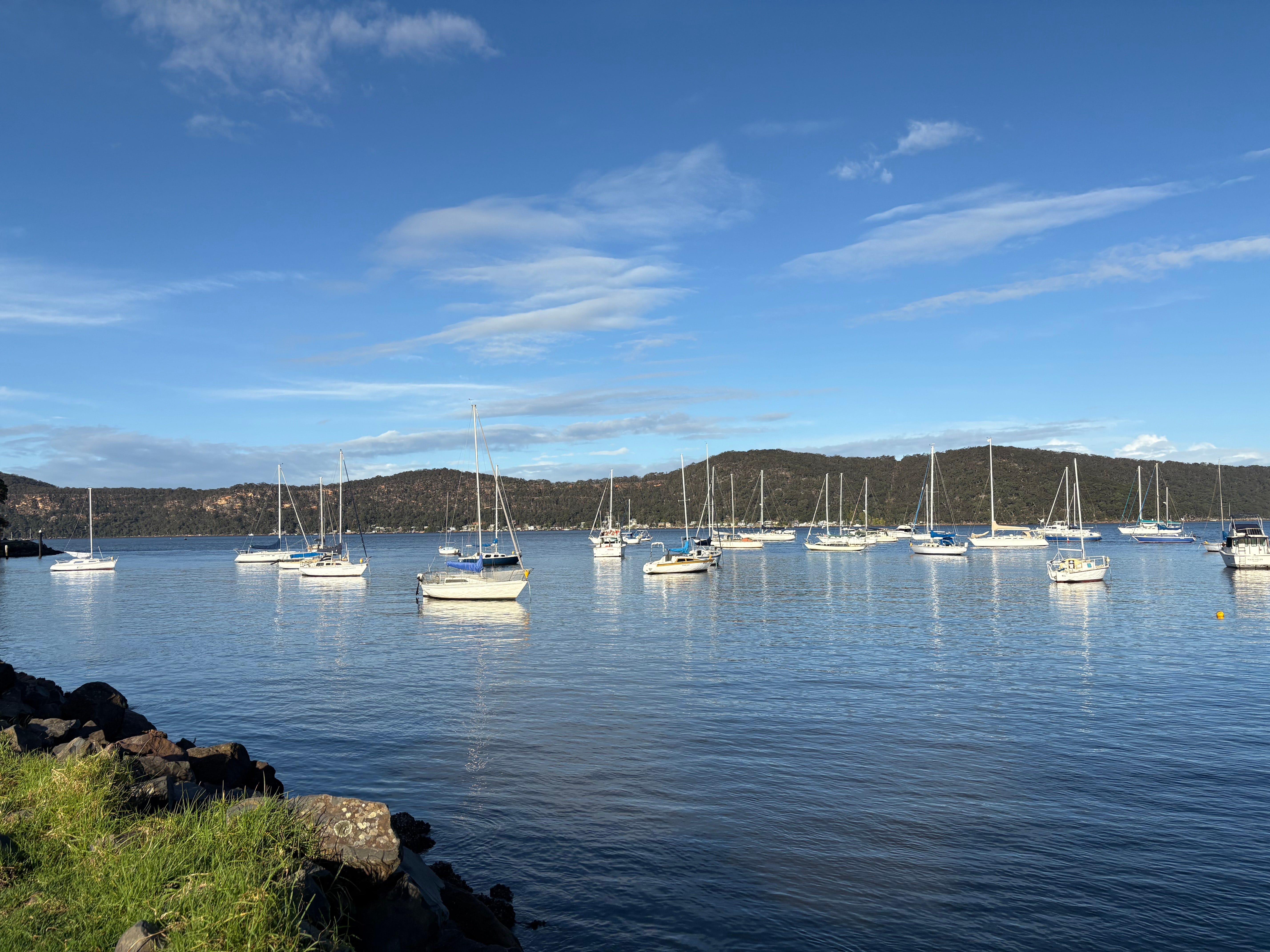
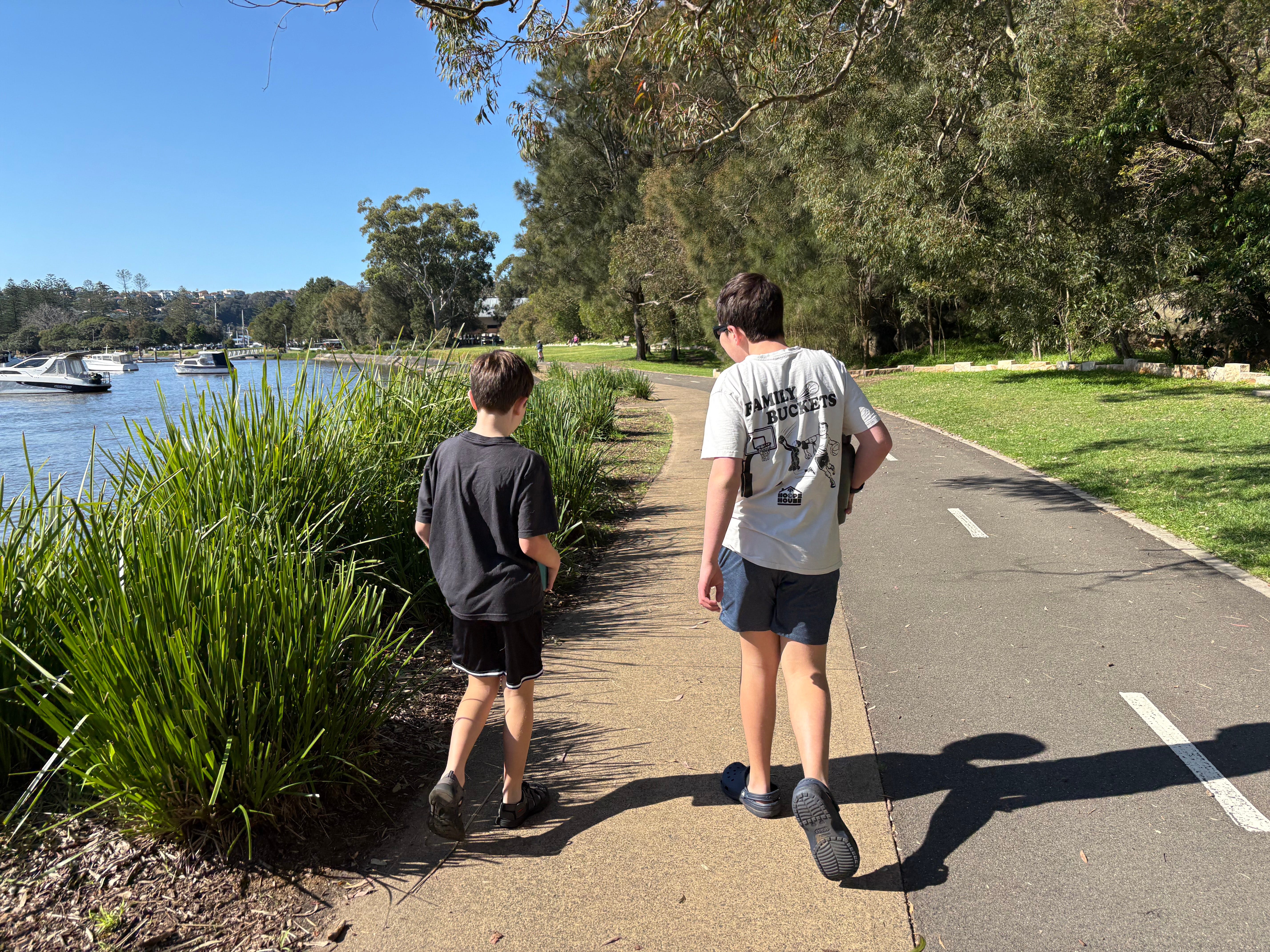
I sat across from someone recently who bemoaned the idea that neurodiversity often comes as a “package deal” with other marginalized communities, and it made me think of how circumscribed and protected my life used to be from people I saw as “other,” and how impossible that separation is now. All the discomfort when those walls came down that was replaced with identification and and shared longing for a different world. “I wonder why,” Little Brother said to me this morning before asking a question, and there are questions that scoff, and questions that truly ask, like his did, this willingness of his on display: to choose curiosity over control, and the uncomfortable brightness of the grace on the other side of that choice. Like the four hours spent in the car last week taking The Kid to a day portion of his school camp, and the view from the wharf that I would have missed had he just gone “according to plan.” Light multiplying and rippling across water I never would have seen.
Happy to find you again!